Pizza Education
Why Slow Fermentation Makes Better Pizza Dough
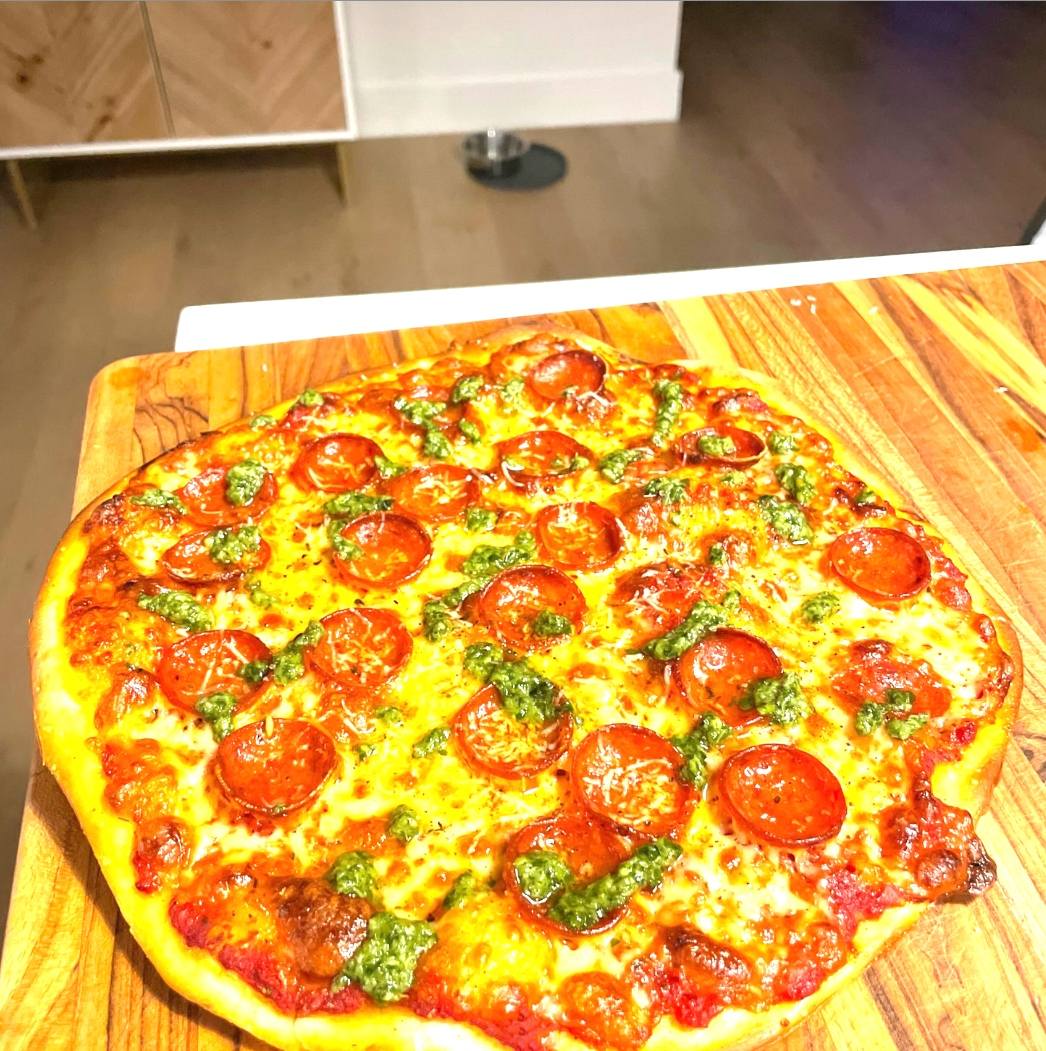
Every pizza we make starts with dough that was mixed two days before you eat it. We do this on purpose. Here’s why.
What happens during a cold ferment
When you mix flour, water, salt, and a small amount of yeast, and then refrigerate the dough at around 38°F for 24-72 hours, three things happen at once — slowly.
1. Enzymes break down starch into sugars. Those sugars feed the yeast slowly and brown beautifully in the oven.
2. Gluten relaxes and reorganizes. The dough becomes more extensible — you can stretch it without it snapping back — while still holding its structure.
3. Flavor compounds develop. Slow fermentation produces organic acids and esters that give real pizza dough its tangy, wheaty, almost beer-like aroma.
The shortcut tells
If you’ve ever had a pizza where the crust tasted like nothing — bland, doughy, a little raw — that was likely a fast dough. Same-day pizza dough proofed warm for an hour at room temperature can technically be baked. It will not taste like pizza. It will taste like bread that didn’t try.
Cold-fermented dough has a smell when you open the cooler. It’s slightly funky, faintly sweet, a little sour. That smell is flavor that hasn’t happened yet. When it hits 700°F in the oven, all of that aroma becomes crust.
Why we use different ferments for different styles
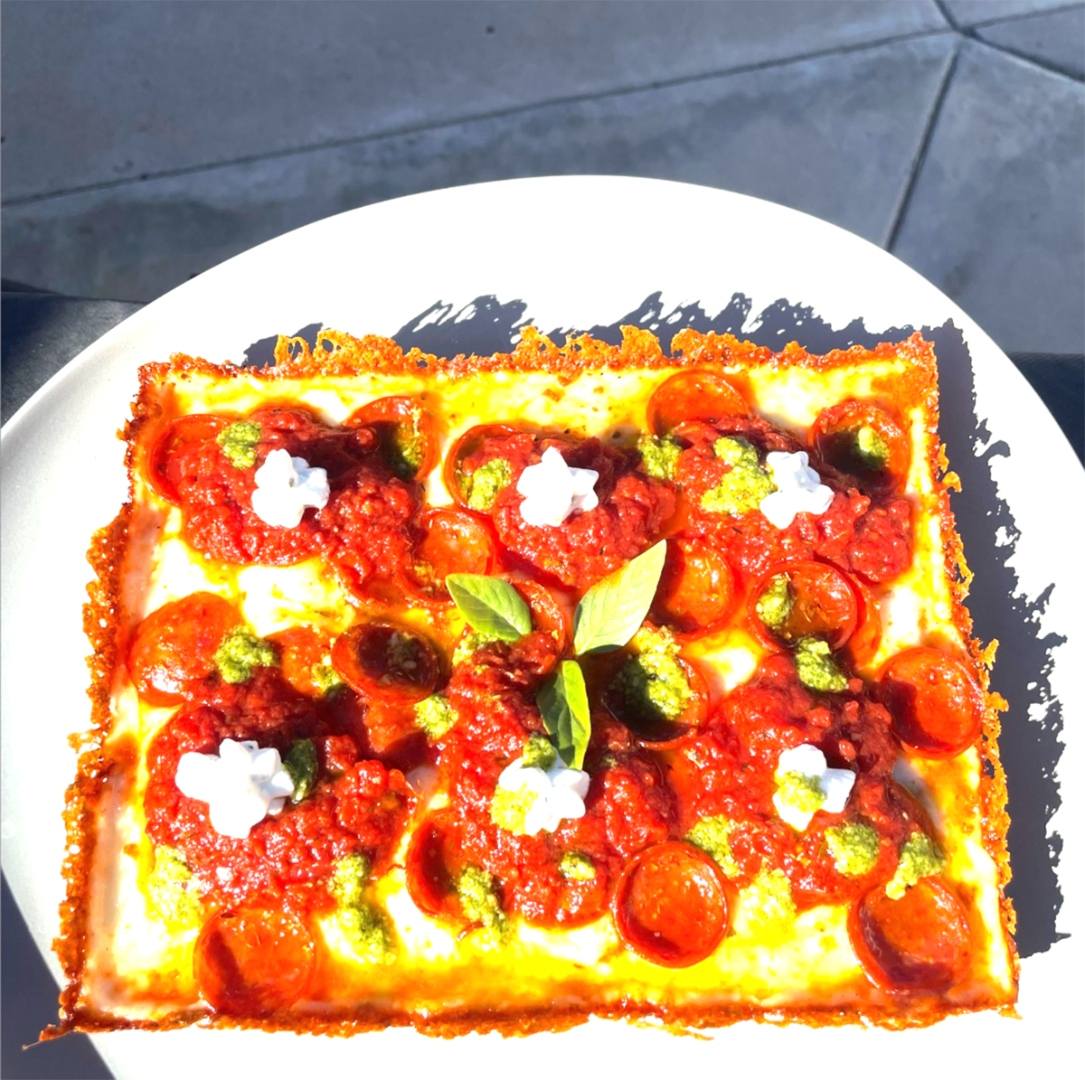
Our Tavern dough gets a longer cold ferment — 48 hours — because we want maximum crispness and a really pronounced wheat flavor in a thin cracker crust. Our Detroit dough goes 24 hours because we want more open crumb and chew, and a shorter ferment gives the dough more strength for that deep pan rise.
The takeaway
Slow dough is the cheapest expensive thing in a pizzeria. The ingredients cost almost nothing. The cooler space and the patience cost a lot. But it’s the single biggest variable separating pizza that’s fine from pizza you remember.
Next time you bite into our crust and notice the snap, the wheat sweetness, the little tang at the back end — that’s two days of doing nothing, on purpose.
Want pizza now?
You’ve read enough about pizza. Time to eat some.